
 staff
staffMusic scenes rarely grow in isolation. Active entertainment districts bring artists, DJs, promoters, and fans into the same spaces night after night. Clubs host live sets, lounges hold listening parties, and nearby venues attract crowds who want to hear something new.
Hip hop culture benefits greatly from these environments. Performers gain exposure through regular appearances while audiences discover artists through word of mouth and live shows. Conversations after performances often lead to collaborations, new events, and stronger connections within the community.
Cities with lively entertainment areas tend to develop recognizable music identities. Energy from nightlife spaces helps shape how artists perform, promote their music, and build loyal followings.
Nightlife Venues as Meeting Points for Artists and Fans
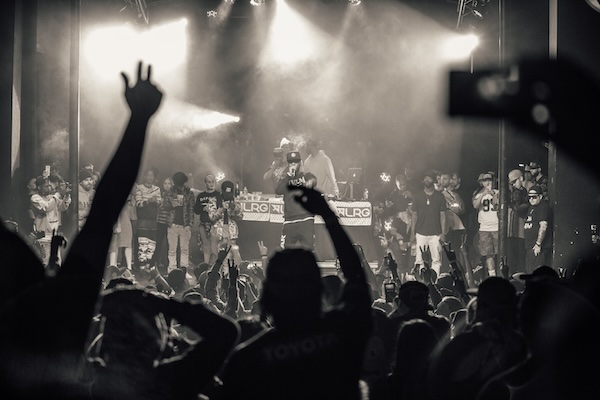
Nightlife venues often act as informal gathering places where artists meet their audience face to face. Clubs and lounges provide space for live performances, DJ sets, and listening events that bring fans closer to the music.
Strong music communities often grow when artists appear consistently at local venues. Regular performances build familiarity, while smaller crowds allow artists to test new material and receive honest feedback. Venue owners can support this growth through open-mic nights, themed hip-hop events, and partnerships with local promoters.
Creating Opportunities for Emerging Talent
Local scenes become stronger when venues actively support emerging performers. Promoters who organize showcase nights give independent artists valuable stage time. DJs can highlight local tracks during sets, which encourages listeners to explore artists from their own city.
Crowd engagement plays a large role in artist development. Audience members often share songs they hear during live sets on social platforms, increasing visibility for performers who might not yet have a strong online presence.
Encouraging Direct Interaction
Fans who meet artists during club events often develop stronger loyalty. Conversations near the stage or during post-show gatherings create personal connections that digital platforms rarely replicate. Venue managers who encourage meet-and-greets help strengthen those relationships.
Frequent interaction between performers, DJs, and listeners creates a feedback loop that shapes how a music scene develops. Artists pay attention to crowd reactions and adjust their sound accordingly.
Entertainment Districts and Their Influence on Local Music Identity
A city’s entertainment district often reflects its musical personality. Busy areas filled with clubs, lounges, and music bars offer artists from diverse backgrounds a space to share ideas and collaborate.
Hip hop scenes often evolve through these exchanges. Producers may meet vocalists at late-night events, while DJs discover new tracks from performers who regularly visit their venues. These connections push creative experimentation within the community.
Building a Recognizable Sound
Local identity forms when artists spend time around the same venues and collaborate frequently. Shared influences begin to shape production styles, lyrical themes, and performance approaches.
City-based scenes have historically developed through these social circles. Consistent interaction helps artists refine their craft while learning from others in the same environment.
Music journalists and bloggers often notice these patterns. Media coverage then reinforces a city’s reputation as a hub for specific hip-hop styles.
Supporting Collaboration
Collaboration becomes easier when artists gather in the same neighborhoods night after night. Producers who attend shows meet vocalists looking for beats. Managers encounter performers searching for representation. These interactions occur naturally within busy entertainment districts.
Artists hoping to strengthen their local scene should attend events regularly, support fellow performers, and maintain relationships with venue staff. Consistency helps build trust and opens doors for future opportunities.
The Business Side of Entertainment Areas
Entertainment districts support a wide network of services that keep nightlife active. Venues rely on security teams, event promoters, transportation services, and hospitality workers to manage busy evenings. Each element contributes to the overall experience visitors expect from a thriving music hub.
Digital Tools That Help Visitors Navigate Nightlife
Visitors frequently research nightlife options before heading out. Online tools let people check venue lineups, find late-night restaurants, and explore other services in entertainment districts.
Search platforms have become common resources for those planning evenings in busy city centers. Some people even use specialized directories such as the hot.com escort search platform while browsing nightlife options and social services connected to entertainment areas. Tools like these demonstrate how digital search behavior influences how people navigate nightlife environments.
Interest in escorts often appears alongside nightlife searches, as visitors seek clear information about services operating in entertainment districts. Many users conduct an escort search while planning their evening to understand the options available in a particular city.
Economic Activity Around Music Venues
Busy nightlife areas contribute significant revenue to cities. Restaurants, hotels, rideshare drivers, and security firms benefit from crowds attending concerts and DJ events. Local governments sometimes invest in infrastructure improvements around entertainment districts to support this activity.
Promoters and venue owners who collaborate with nearby businesses often see stronger event attendance. Partnerships with restaurants or lounges can encourage visitors to spend more time in the area before or after shows.
Artists benefit from these ecosystems as well. Larger crowds create better opportunities for merchandise sales, ticket revenue, and fan engagement.
Touring Artists and the Social Energy of Entertainment Areas
Touring musicians frequently explore entertainment districts after performances. These areas provide opportunities to relax, meet fans, and connect with industry professionals who attend shows.
Artists who spend time interacting with local communities often gain deeper insight into regional music tastes. DJs may introduce them to emerging performers while promoters share information about upcoming events.
Strengthening Industry Relationships
Music careers depend heavily on strong professional relationships. Conversations that happen during post-show gatherings often lead to collaborations or future bookings. Artists who remain accessible to fans and industry contacts often build stronger networks.
Managers and promoters often encourage performers to attend after-parties or club events after concerts. Those environments offer space for informal discussions that would rarely happen during structured business meetings.
Staying Connected With Local Fans
Fans appreciate artists who remain visible after a show ends. Quick appearances at nearby venues allow performers to maintain momentum while their music is still fresh in the audience’s mind.
Artists who engage with local communities during tours often see stronger streaming numbers and ticket sales when they return to that city. Strong entertainment districts make these interactions easier because venues and social spaces remain active long after concerts end.
Stay Active in the Nightlife Spaces That Support Hip Hop
Entertainment districts remain a major part of how music communities grow. Artists meet collaborators, DJs discover fresh tracks, and fans build deeper connections with performers through live events.
Strong nightlife areas continue to fuel creativity and collaboration in hip-hop culture. Time spent in these environments helps artists connect with audiences and expand their influence across the music community.