
 staff
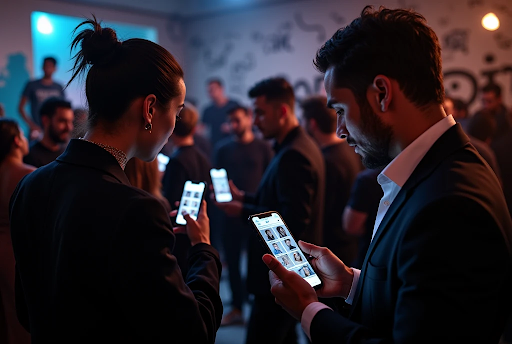
staffAfter midnight in Wynwood, the sidewalks thin out but the bass gets heavier. Warehouse doors remain slightly open, LED lights flicker behind black curtains, and crowds gather only after a location pin drops in a private story. Independent artists often go on stage after 1 AM, once the mainstream clubs have peaked. Promoters confirm guest lists through direct messages, share last-minute set changes, and coordinate after-parties across neighborhoods. Visitors flying in for late showcases often structure their entire evening around studio sessions, rooftop after-parties, and curated social company, sometimes referencing miami escort within private group chats while organizing who joins which event and where the night continues. In this scene, timing and coordination are part of the culture.
Late-Night Venues Fueling Miami’s Independent Rap Scene
Miami’s independent rap ecosystem relies on flexible spaces rather than traditional concert halls. Neighborhoods like Wynwood, Little Haiti, and Allapattah have become hubs for experimental showcases and after-hours performances.
Common venue formats include:
• Warehouse pop-up stages
• Underground club residencies
• Studio-backed listening sessions
• Art gallery performance nights
These locations allow artists to control sound, lighting, and audience interaction more freely than commercial venues.
Warehouse Shows and Pop-Up Performances
Warehouse shows define the after-midnight atmosphere. Temporary stages are built quickly, DJs transition between sets without interruption, and the crowd stands close to the performers. Lighting is often minimal, relying on strobes or projected visuals against raw industrial walls.
The intimacy changes the dynamic. Artists can test unreleased tracks and respond directly to crowd energy. There is less separation between stage and audience, which strengthens authenticity.
Studio Sessions That Turn Into Private Listening Events
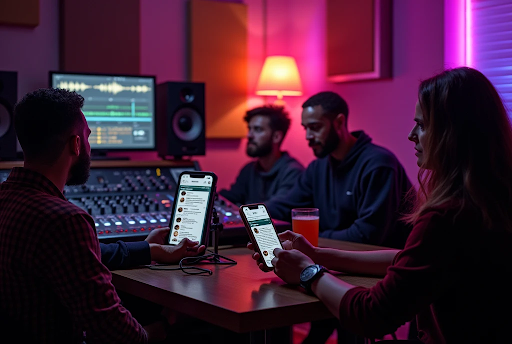
Many independent artists host sessions inside recording studios that evolve into invite-only listening gatherings. Producers preview unfinished tracks, collaborators join on short notice, and small groups of trusted supporters attend.
These events serve both creative and promotional purposes. Early feedback helps refine releases, while exclusivity builds anticipation before a public drop.
Artists, Collectives, and Grassroots Promotion
The independent rap community in Miami thrives on collaboration. Instead of competing for limited slots, artists often form collectives to share resources and audiences.
Local Rap Collectives and Collaboration Culture
Collectives pool producers, videographers, and marketing contacts. Members feature on each other’s tracks, perform back-to-back sets, and coordinate joint events. This structure reduces costs and strengthens brand visibility.
Shared branding also helps maintain consistency across releases and performances. Audiences begin to associate certain aesthetics or sounds with specific crews.
Digital Drops, Social Teasers, and Street-Level Buzz
Promotion rarely follows traditional advertising routes. Social media plays a central role in building momentum.
Independent artists often create anticipation through a sequence:
- Teasing short clips of new tracks
- Announcing pop-up show locations hours before doors open
- Sharing rehearsal or backstage footage
- Posting recap visuals the next day
This cycle keeps audiences engaged while maintaining an element of unpredictability.
The Sound and Style Shaping After-Midnight Performances
Miami’s independent rap scene reflects both local heritage and global influence. The music often blends heavy trap production with Latin rhythms and elements of classic Miami bass.
Trap, Latin Fusion, and Miami Bass Influences
Artists incorporate bilingual verses, layered percussion, and bass-driven hooks. Cross-genre experimentation remains common. Producers mix electronic textures with traditional hip-hop beats, creating a distinctive regional identity.
Late-night sets often emphasize rhythm intensity, encouraging crowd participation well past 2 AM.
Fashion, Visual Identity, and Stage Presence
Style plays a visible role in performance branding.
Common visual markers include:
• Streetwear and limited-edition sneakers
• Custom chains and layered accessories
• Minimal stage setups with projected visuals
• Coordinated outfits within collectives
Visual identity reinforces musical direction and helps artists stand out in a crowded market.
Audience Experience and After-Parties
The independent rap experience rarely ends when the final track plays. Post-show gatherings extend the energy into smaller, private spaces.
Post-Show Gatherings and Networking Spaces
After-parties often take place in secondary venues or private locations shared through invitation only. Artists, producers, and supporters network in more relaxed settings. These spaces encourage collaboration and planning for future releases.
Late-night conversations frequently lead to new projects. In Miami’s independent scene, creative exchange continues long after the stage lights dim.
The Pulse of Miami’s Independent Rap After Dark
Miami’s independent rap scene after midnight thrives on adaptability, collaboration, and digital coordination. Flexible venues, grassroots promotion, and collective identity sustain momentum outside mainstream channels.
The energy builds gradually through social signals, private drops, and shared experiences. After midnight, the city’s creative pulse shifts into smaller spaces where independent voices shape their own platforms.