
 staff
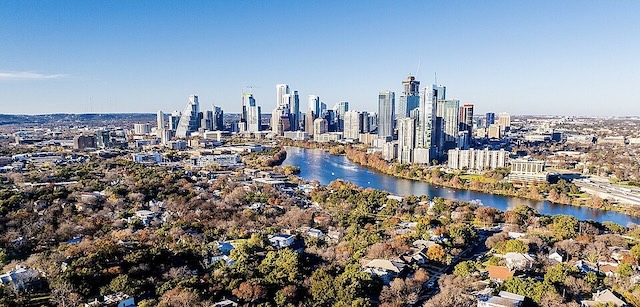
staffAustin has long been synonymous with live music and cultural experimentation, but the city’s nightlife continues to evolve in unexpected directions. Among the most surprising developments is how certain entertainment venues have begun incorporating literary elements into their offerings, creating spaces where intellectual curiosity and nightlife converge. This fusion reflects Austin’s broader identity as a city that refuses to be pigeonholed, where a night out can mean anything from catching an indie band to discussing contemporary fiction in an unconventional setting.
How Austin’s Nightlife Became a Cultural Laboratory
The city’s entertainment scene has always been a reflection of its residents—creative, independent-minded, and resistant to convention. What started as a music-centric nightlife in the 1970s has expanded into a sprawling ecosystem of experiences that defy easy categorization. Today’s Austin nightlife includes everything from speakeasy-style cocktail bars to venues that host poetry slams alongside DJ sets.
This evolution mirrors broader trends in urban entertainment. Cities across America are seeing nightlife venues transform into multidimensional cultural spaces that serve diverse interests simultaneously. Austin has embraced this shift with particular enthusiasm, creating venues that layer different forms of entertainment and cultural engagement. The result is a nightlife landscape where traditional boundaries between high and low culture, intellectual pursuits and pure entertainment, have become increasingly porous.
Navigating Austin’s Nightlife Safely and Thoughtfully
Exploring any city’s nightlife requires awareness and planning. Austin’s entertainment districts can be crowded, particularly on weekends, and the same precautions that apply to any urban nightlife experience are relevant here:
- Research your destinations: Understand what each venue offers and whether it aligns with your interests. Austin’s entertainment options vary dramatically in atmosphere and programming.
- Use reliable transportation: Rideshare services are ubiquitous in Austin, and designated driver services are widely available. Parking in entertainment districts can be challenging and expensive.
- Go with trusted companions: Group outings enhance both safety and enjoyment, particularly when exploring unfamiliar venues.
- Stay aware of your surroundings: Keep track of personal belongings and be mindful of alcohol consumption, especially in crowded spaces.
- Respect venue policies: Each establishment has its own rules and expectations. Understanding and following them ensures a better experience for everyone.
The city’s main entertainment corridors, particularly Sixth Street and the Warehouse District, attract large crowds. Planning ahead and staying alert helps ensure that a night out remains enjoyable rather than stressful. Austin visitors can explore entertainment options, including Palazio, Chrome Austin, or BT’s Gentleman’s Club, for nightlife experiences requiring awareness and planning.
The Literary Dimension: More Than a Gimmick
The incorporation of books and literary programming into nightlife venues could easily come across as superficial—a marketing angle rather than a genuine cultural offering. What distinguishes Austin’s approach is the authenticity with which venues have embraced this fusion. Many establishments have developed substantial book collections, host regular author events, and create programming that takes literature seriously rather than treating it as mere decoration.
Some venues feature:
- Author readings and Q&A sessions: Local and visiting writers present their work in intimate settings, often followed by discussions with audience members.
- Book-themed events: Nights organized around specific authors, genres, or literary movements, creating focused experiences for enthusiasts.
- Curated libraries: Thoughtfully assembled book collections that reflect the venue’s aesthetic and the interests of its clientele.
- Literary decor: Design elements that incorporate books, quotes, and literary references in ways that enhance rather than overwhelm the space.
This programming attracts a demographic that might not otherwise frequent such venues—readers and intellectuals who appreciate the opportunity to combine their love of literature with social entertainment.
Why This Fusion Works in Austin
Not every city could successfully blend strip clubs with literary programming. Austin’s particular cultural makeup makes it fertile ground for this kind of experimentation. The city has a well-educated population with diverse interests, a long history of supporting unconventional businesses, and a cultural ethos that values creativity over conformity.
The presence of the University of Texas brings a constant influx of students and academics who appreciate intellectual engagement alongside entertainment. Meanwhile, Austin’s tech industry has created a professional class with disposable income and eclectic tastes. These demographics overlap with the city’s established creative communities—musicians, writers, artists—creating an audience receptive to venues that offer something beyond conventional nightlife.
Austin’s relatively permissive regulatory environment also plays a role. The city has historically allowed entertainment venues considerable latitude in how they operate and what they offer, enabling the kind of creative programming that might face more obstacles elsewhere.
Experiencing Austin’s Literary Nightlife
For visitors and residents curious about this aspect of Austin’s entertainment scene, the experience requires an open mind and willingness to set aside preconceptions. These venues work precisely because they refuse to be easily categorized. They’re not traditional strip clubs, nor are they bookstores with liquor licenses. They occupy a space in between, offering elements of both in ways that can feel surprising and refreshing.
The best approach is to visit with curiosity rather than fixed expectations. Explore the book collections, attend a literary event if one is scheduled, engage with the different dimensions of what these venues offer. The experience might challenge assumptions about what nightlife can be and what kinds of spaces can foster intellectual engagement.
Austin’s willingness to experiment with entertainment formats is part of what makes the city culturally distinctive. Whether this particular fusion of literature and nightlife represents a lasting trend or a temporary curiosity remains to be seen. For now, it stands as another example of Austin’s ongoing project of reimagining what urban entertainment can look like when creativity and open-mindedness guide the process.