
 staff
staffThe worlds of hip-hop and gaming have overlapped for decades, driven by shared audiences, cultural influence, and a mutual love of immersive storytelling. From voice acting roles to playable characters and curated in-game soundtracks, rap artists have left a lasting imprint on some of the industry’s most iconic titles. As gaming realism and cinematic presentation continue to evolve, collaborations between developers and rap stars have only grown more ambitious.
Below is a look at some of the most notable rap artists who’ve featured in famous video games—along with the background behind each appearance and why it mattered.
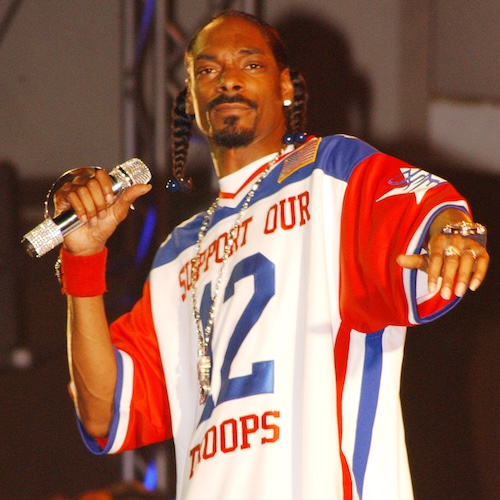
Snoop Dogg — A Gaming Crossover Pioneer
Few rappers have embraced gaming culture like Snoop Dogg. Over the years, he’s appeared in multiple titles, blending his laid-back persona with interactive entertainment.
One of his most memorable roles came in True Crime: Streets of LA, where he voiced a character and contributed to the game’s West Coast atmosphere. He later became a playable operator in Call of Duty: Warzone, complete with custom voice lines and themed cosmetics.
Snoop’s involvement reflects his genuine love for gaming—he’s often streamed gameplay sessions and even collaborated with developers on esports and online events.
Ice-T — From Rapper to Voice Actor
Ice-T’s deep voice and commanding presence made him a natural fit for video game storytelling.
He famously voiced Aaron Griffin in Gears of War 3. His performance added emotional weight to the war-torn narrative, earning praise from fans who appreciated his seamless transition from music and television into gaming.
Ice-T’s gaming work mirrored his broader acting career, proving that rappers could deliver compelling dramatic performances in interactive media.
50 Cent — From Soundtrack to Star
50 Cent didn’t just appear in games—he headlined his own.
He starred in 50 Cent: Blood on the Sand, an over-the-top action title that turned the rapper into a globe-trotting action hero. While critics were mixed on the story, the gameplay and soundtrack earned a cult following.
His earlier project, Bulletproof, also cemented him as one of the first rappers to lead a full-scale video game franchise.
Drake — Curator of Virtual Soundscapes
Drake’s connection to gaming is less about playable appearances and more about cultural influence.
He partnered with Rockstar Games on music curation and was heavily rumored to contribute to evolving online worlds like Grand Theft Auto Online. His music frequently appears across sports and open-world titles, shaping the sonic identity of virtual cities.
Drake has also streamed gameplay publicly, reinforcing his credibility within gaming communities rather than appearing as a superficial celebrity cameo.
Travis Scott — The Virtual Concert Trailblazer
Travis Scott redefined what artist appearances in games could look like.
His record-breaking in-game concert inside Fortnite attracted over 12 million live players. The psychedelic, gravity-defying performance blurred the line between gaming and live entertainment.
The event’s success opened doors for future virtual concerts and branded experiences. Around the same period, gaming platforms experimented with broader digital entertainment hubs where players could socialize, explore branded worlds, or even unwind with casual experiences—everything from rhythm games to arcade slot games found here.
Eminem — Soundtrack Dominance
While Eminem hasn’t been a playable character, his music has played a major role in gaming culture.
Tracks like “Till I Collapse” became synonymous with sports titles such as Madden NFL 12 and 2009’s MW2 trailer, amplifying pre-game intensity for players worldwide.
His inclusion in rhythm and combat sports soundtracks showcased how hip-hop could elevate adrenaline and immersion within competitive gameplay.
Method Man — A Fighting Game Icon
Wu-Tang Clan’s Method Man also appeared in Def Jam titles, where his persona translated naturally into the game’s combat framework.
His character blended martial arts flair with hip-hop swagger, helping the franchise stand out from traditional fighting games by grounding it in rap mythology.
The Future of Rap in Gaming
As technology advances, rapper involvement is moving beyond cameos:
- Playable story protagonists
- Metaverse concerts
- Artist-branded game modes
- Interactive music releases
With virtual reality, AI characters, and persistent online worlds expanding, the next generation of rap-gaming crossovers could feel less like guest appearances—and more like fully realized digital legacies.
From Snoop Dogg’s voice acting to Travis Scott’s record-shattering virtual concert, rap stars have become integral to gaming’s cultural fabric. Their influence spans soundtracks, storytelling, marketing, and live in-game events.
As entertainment mediums continue to merge, expect even deeper collaborations—where the line between rapper, character, and player becomes almost indistinguishable.