
 Grant Jones
“Ever since Blazin’ Squad I lost faith in the biz” – Genesis Elijah on “Seems Strange”
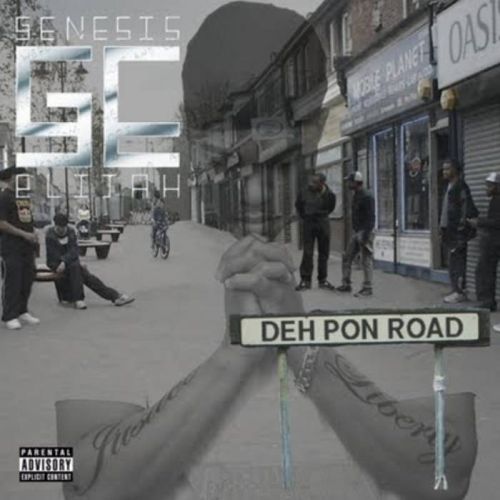
The BBC released a documentary in 2024 called Boy Bands Forever, an interesting attempt to target anyone over the age of 35 who holds nostalgia for the 1990s and early 2000s. It specifically refers to British boy bands, which possess many similar “qualities” to their American counterparts, but N*SYNC and Backstreet Boys are quite different compared to the likes of 911 and Five. Both sides of the Atlantic clearly pushed this heavily manufactured version of Pop, but the shockwaves of the boy band phenomena had left ripples on the UK Hip-Hop industry (if you can even call it that) into the early 2000s. This isn’t something that was really mentioned in the BBC’s documentary, which is more of a sympathetic retrospective highlighting how nasty the paparazzi and tabloids were at the time, but to get a decent understanding of why there was this chasm between Pop and Rap in the UK, Genesis Elijah’s “Deh Pon Road” captures the sentiment of many rap fans, and rappers, in the early 2000s.
Rappers have poked and prodded pop stars for decades, but few emcees have felt as genuinely angry and frustrated at the state of the record industry in 2005. “Deh Pon Road”, the Brixton rapper’s breakthrough LP, retains a lofty reputation in UK Hip Hop circles, and still packs a punch twenty years later, acting as a fascinating document of its time. What I like about Genesis’ style isn’t necessarily his lyricism or his flow (both are excellent), but the way he attacks the microphone with such force. He knows how to use his voice. The first half of this album is an onslaught, warranting its reputation, and it doesn’t really let up until track 14. Bookended by two Beat Butcha productions, there’s some nice Tom Caruana, Dutch Courage and Neehi beats that provide enough variety without ever departing from an underground style that remains very much anti-mainstream. Genesis is on the front foot, and he fills his verses with internal rhymes, often pairing your typical verbal attacks with everyday references that gives him an everyman quality that you often don’t get with lyrical emcees. He’s telling people to “rollback like prices at Asda”, he “trains daily like Daley Thompson in the late eighties”, and then he’ll “put four through the door of your baby mother’s Corsa”. That’s just on “I’m Here”, an imposing warcry that sets the tone for what’s to come.
This anger is primarily directed at the music industry, best exemplified by the album’s single, “So Hip Hop”. Aimed at the aforementioned chart-toppers, where groups like Blue, Five and Big Brovaz populated pop songs with terrible rap to garner some cool points. This was when record stores would have a section for “Urban”, throwing everything from R&B, Soul, Reggae, Garage and Drum n’ Bass in there. You’d find the most successful acts (when it came to the charts) were often hybrids, a catch-all with a bit of everything, without really excelling in any area. Oh, and watered down for the wider, mostly white audience. Big Brovaz, N-Dubz, Blazin’ Squad; anything with a ‘Z’ in it.
“Okay, so the industry’s on the streets and everything is “urban”
Apparently, the title of black music wasn’t working
Not commercial enough, record execs were getting nervous
So welcome to our version of the circus
Where they create freaks for the purpose of sales and sell garbage
flooding the market with these half-hearted halfwits
I laugh at these pricks who get signed when they can’t spit
Battle and get your arse kicked until it’s part of the carpet
Get sparked with a backhand for carrying on
We got little faggots like Abs trying to g’wan like they’re badmans
Get off the bandwagon man, I’ll have mans dragging you off
If you’re chatting fresh, you’ll get a smack in the gob
It’s not a problem to Blaze your Squad
You’re not hectic, my mans will make you hole-ier than praising God
I give a fuck, man, I say what I want, agree with my statement or not
But this game’s for the blatant knobs”
You can tell someone knows their onions when the name Klashnekoff comes up when discussing the great emcees of the 2000s. From 2003 to 2007, he was one of the most exciting, potent emcees to touch a mic, and he remains severely underrated all these years later. He appears on “Jah Bless”, which wouldn’t have sounded out of place on his seminal debut “The Sagas of…“, but it’s “Gun Talk” that remains my personal highlight of this whole album. Genesis’ hook is dope, tying together a posse cut with an anti-gun crime message, but it’s the truly venomous Klashnekoff performance that raises your eyebrows:
“Klashnekoff…from the land of the rats
Where gats get whipped so fast they give you whiplash
Young yats get left wet like where my dick splash
Mini-yoots walking in packs, twisted like Nik Naks
You’ve got nig-nogs that appear from the thick fog
Who’ve got silencers that muffle the sounds of big dogs
So many lives lost, that’s why I sound pissed off
Some brehs need to communicate; they’ve got their wires crossed
You pre-ejaculate, too quick to fire shots
Young youths admired then aspire to die for props
I can’t lie, certain times at night when I cotch
Contemplate flinging on a mask made of socks
I’ve got hate for these cops
And these fassy hole MP dick-sucking cocks
Chatting about hip-hop, you need to do your fucking job
Get round the manor and get the fucking crack off the block – YOU C**TS”
References like Fame Academy, Cheeky Girls and Zatoichi (shout out to anyone still browsing DVDs in HMV) inevitably date the record. Still, the beats, and something I didn’t appreciate at the time, the hooks, ensure this album has aged really well. Despite the level of frustration he displays on “Deh Pon Road”, Genesis has released plenty of records independently since 2005, which has seen him cool off and experiment with different production. Now one of the olders, he’s a mainstay in the scene that he helped build and maintain. While the masses wax lyrical about the chart-topping boy bands, I yearn for the documentary covering albums that pushed back against the industry tropes that restricted the talents of many British emcees. Albums like Sway’s “This Is My Demo”, Dr. Syntax’s “Self-Taught” and Ghetts’ “Freedom of Speech” had the potential to be much bigger than they were, but instead we ended up with Tinchy Stryder, Tinie Tempah and Example, as this weird representation of rap in the mainstream. I might be on my own, but I’m not reaching for any of their albums all these years later, so Genesis ultimately had the last laugh by creating great Hip-Hop.
“There’s a lot of rappers out there doing their thing, a lot of good rappers, I feel like we’re in a golden age, like me personally, I’m not saying that I’m one of the best, I’m just trying to be one of the contenders, but when they mention good rappers, when they mention rappers out there doing their thing, rappers that get respect, then I want to be mentioned with them rappers, not saying that I’m the best, but one of the best” – Genesis Elijah on “How It Goes”